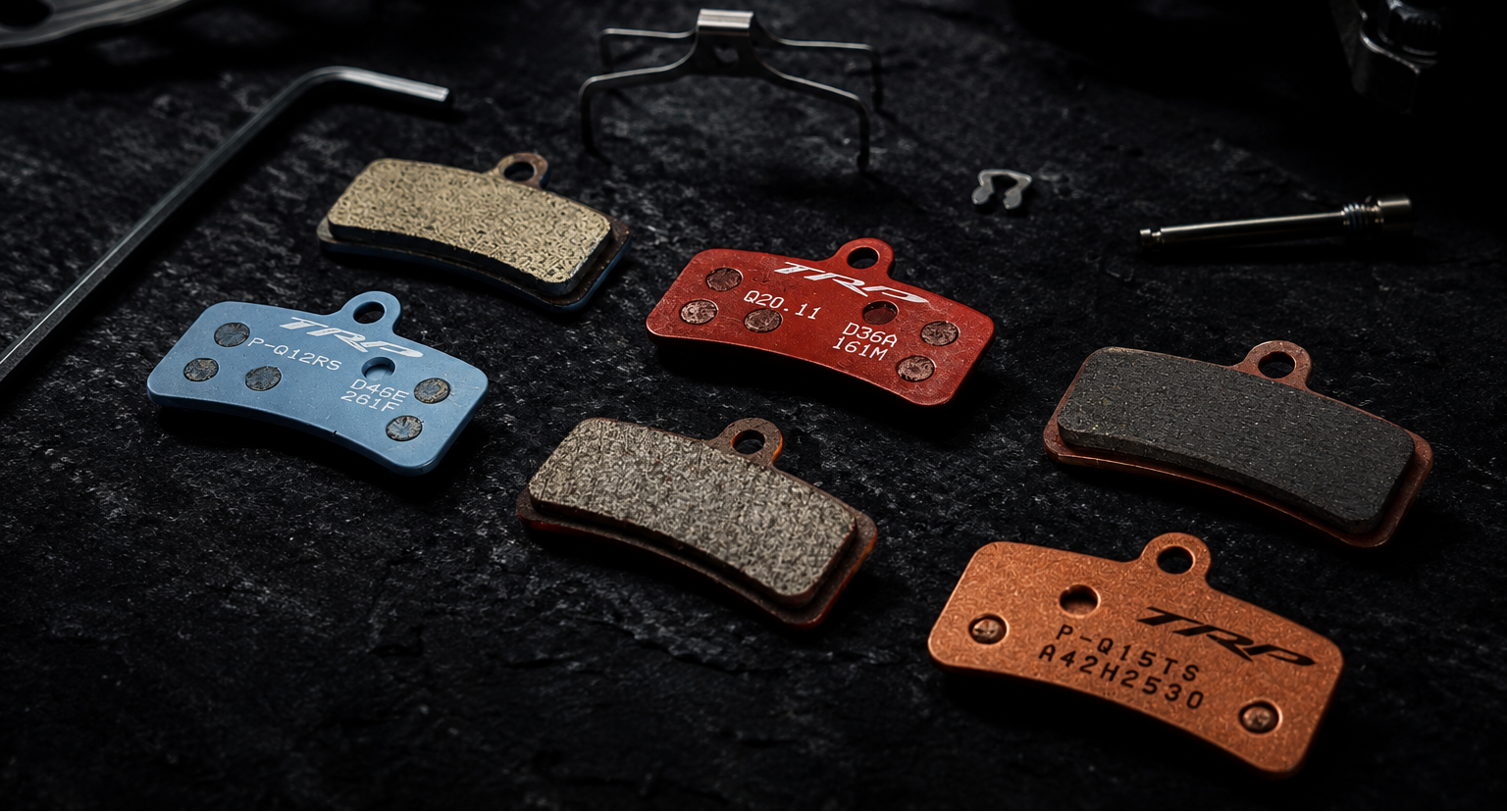
Blue, Red or Copper?

Choosing the Right TRP Brake Pad Compound

Brake pads are one of the easiest ways to change how your brakes feel.

Initial bite, consistency, heat management, noise, durability, and performance over a long descent can all change depending on the compound you're running. Just like adjusting suspension settings or tire pressure, choosing a brake pad compound gives riders another way to tune their bike around terrain and riding style.

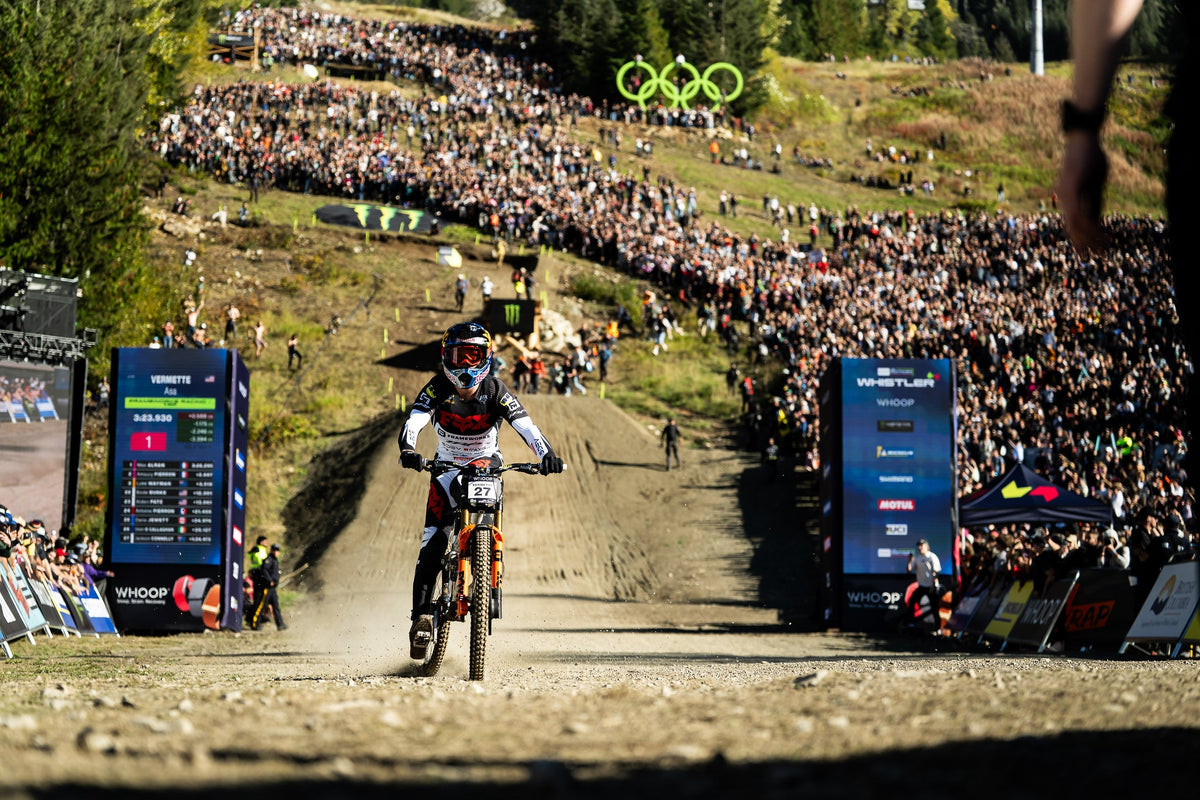
We've spent time riding and testing all three compounds across everything from everyday trail riding to World Cup racing. While rider weight, braking style, terrain, conditions, and brake setup all play a role, each compound has a noticeably different personality on the trail.

Here's how they compare.
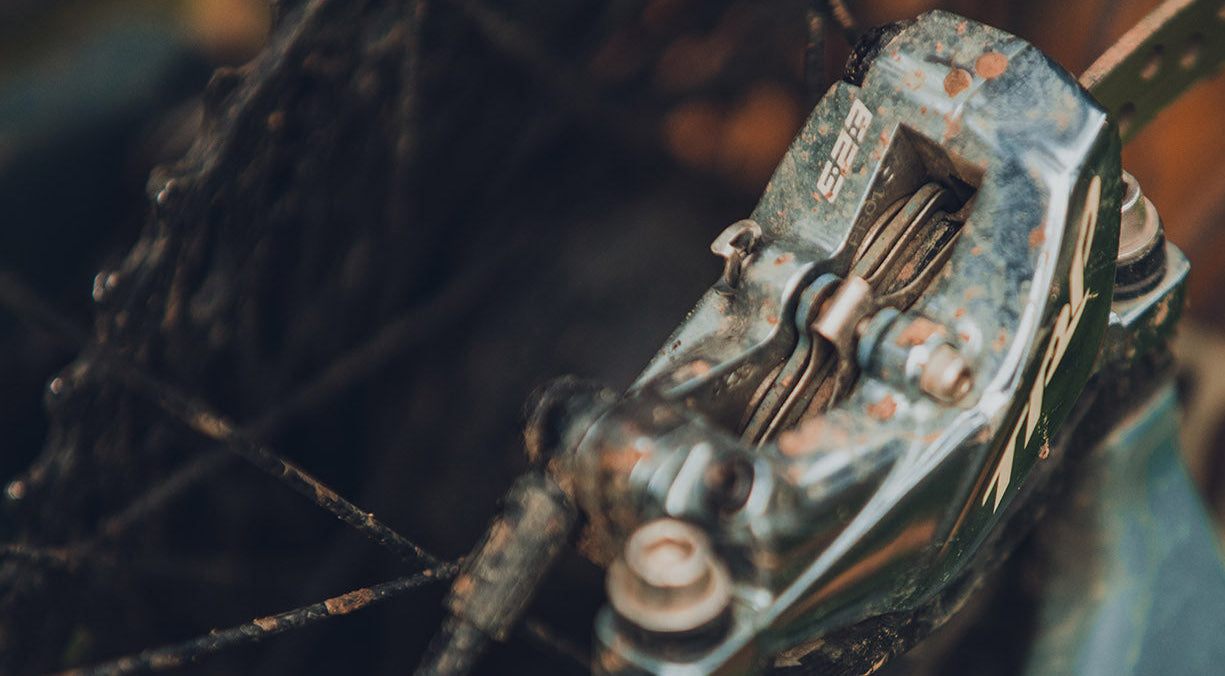
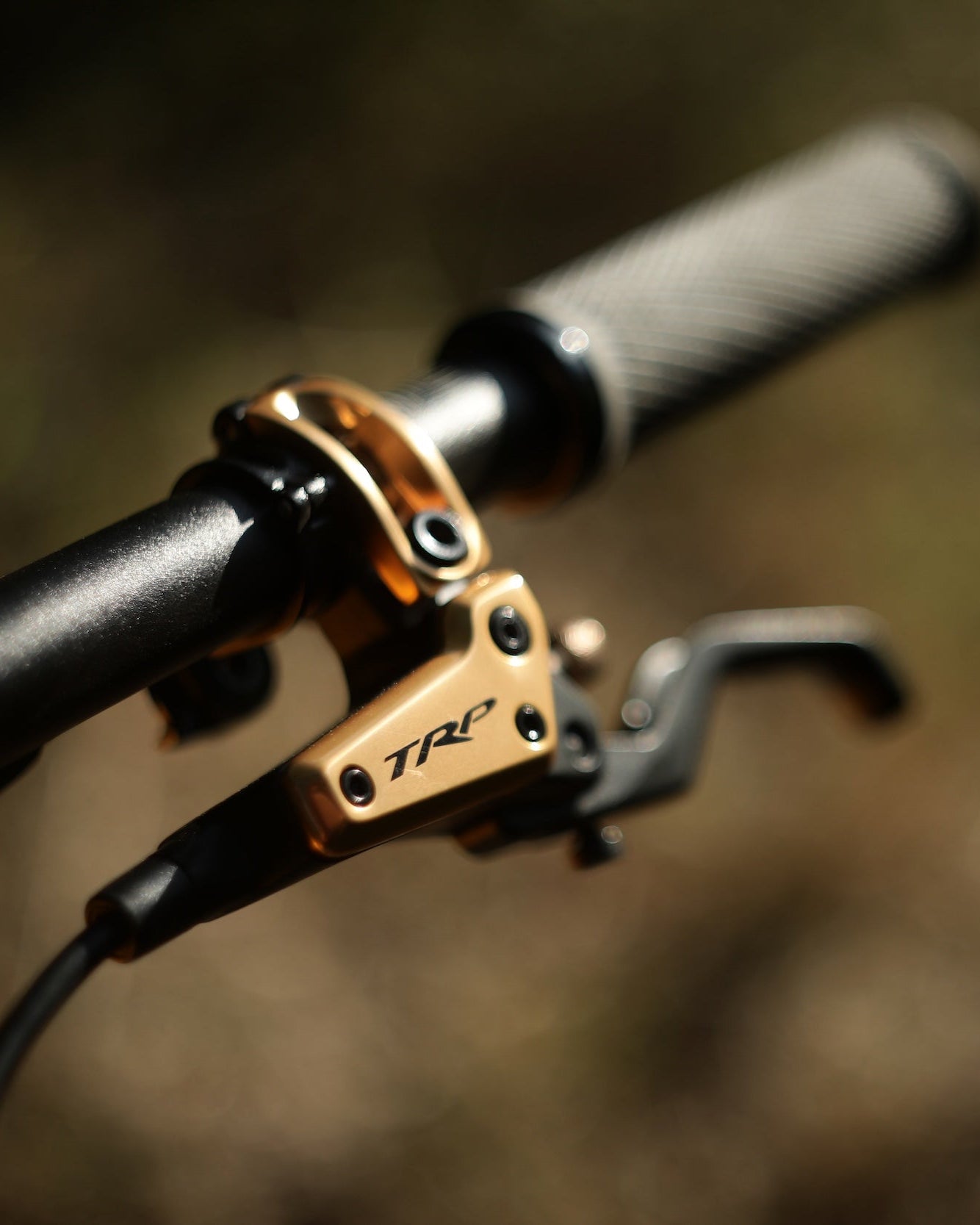
Loam Wolf magazine review of TRP DH-R EVO brakes for  mountain bike media and cycling publications"

Maximum initial bite. Fast activation. Race-ready feel.

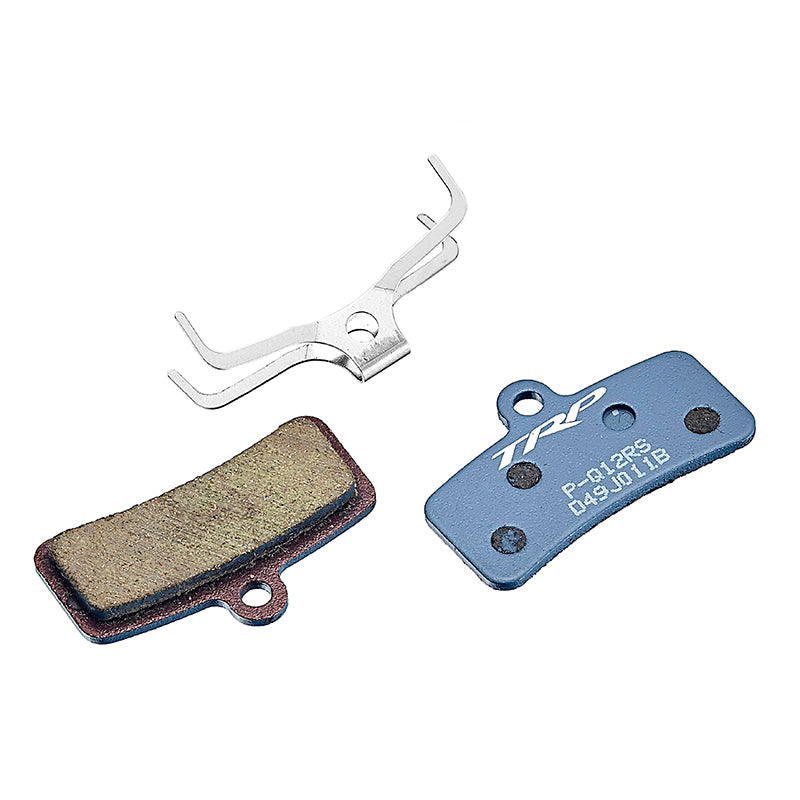
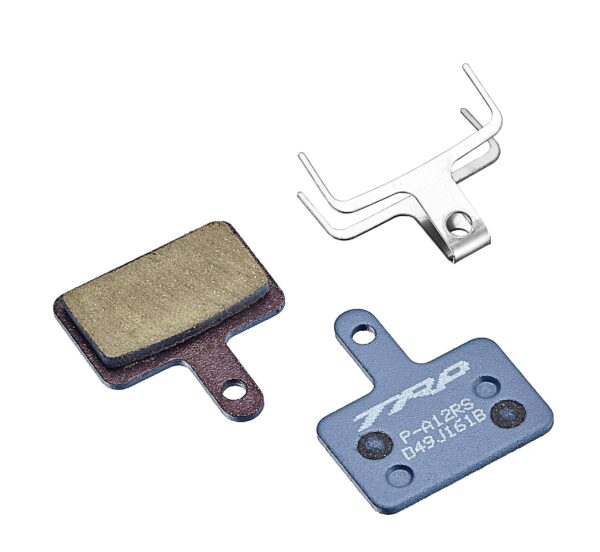
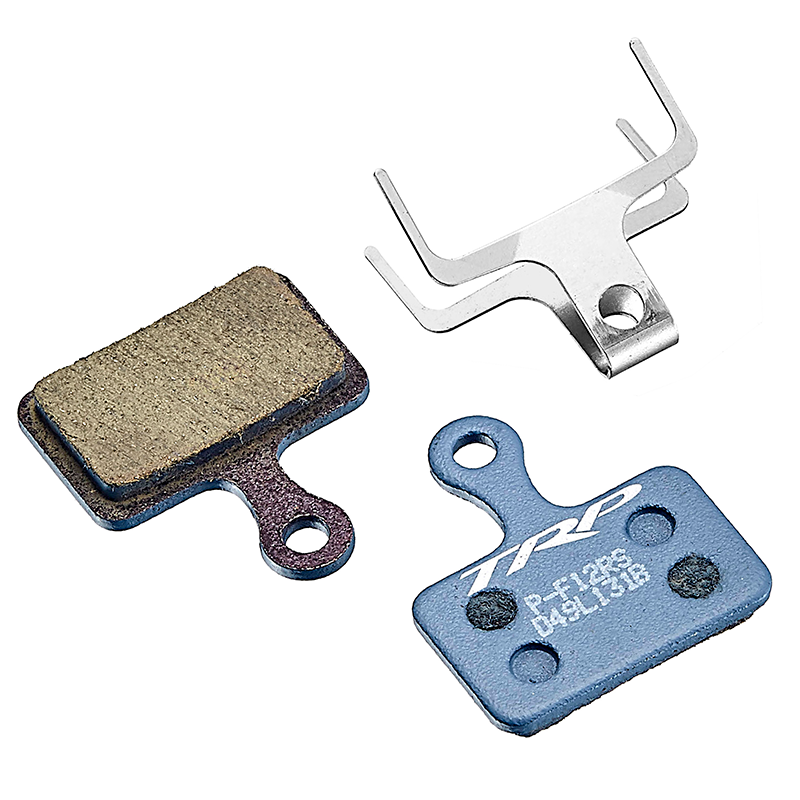
Blue- Performance Resin

If your priority is a strong, immediate bite point, Blue is where we'd start.

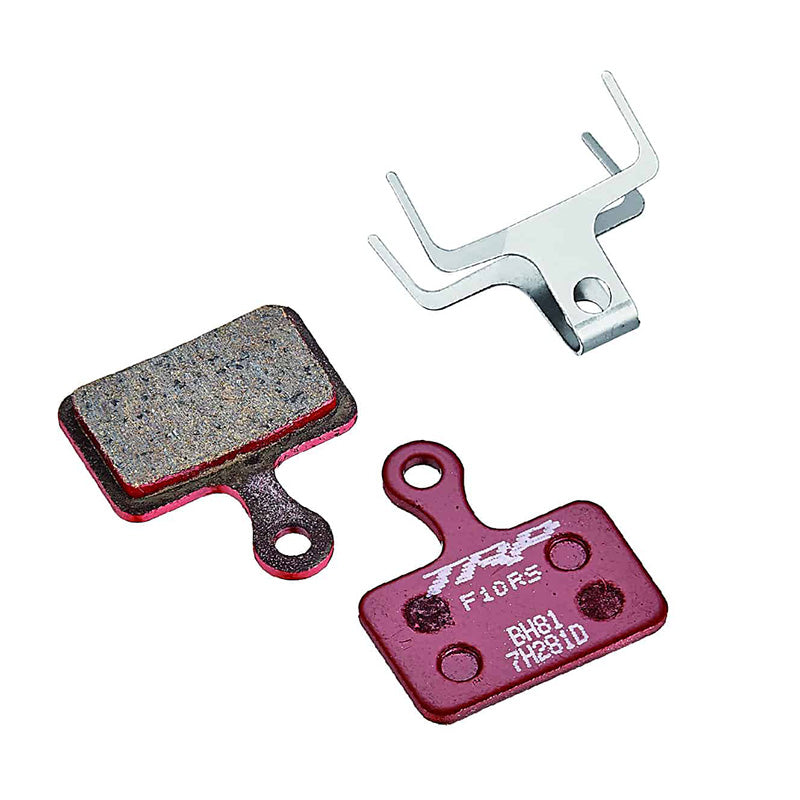
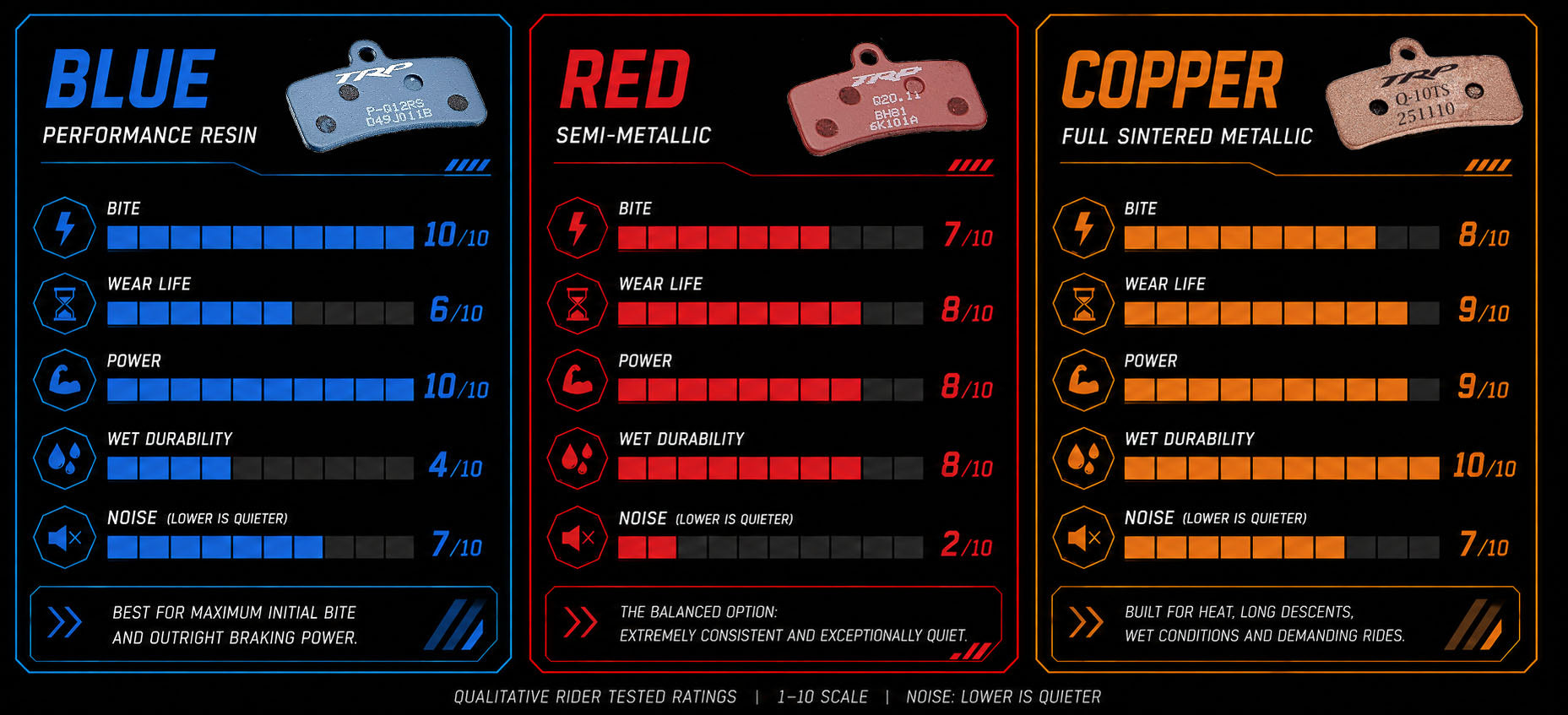
The Performance Resin Pad is the softest of TRP's three compounds and requires the least amount of heat to reach its effective operating range. The result is a brake that feels strong and responsive almost immediately.

In our experience, the Blue provides the most powerful initial bite of the three compounds. That makes it particularly good for aggressive riding and racing where you want power immediately, allowing you to brake hard and late.

Quiet. Controlled. Extremely consistent.

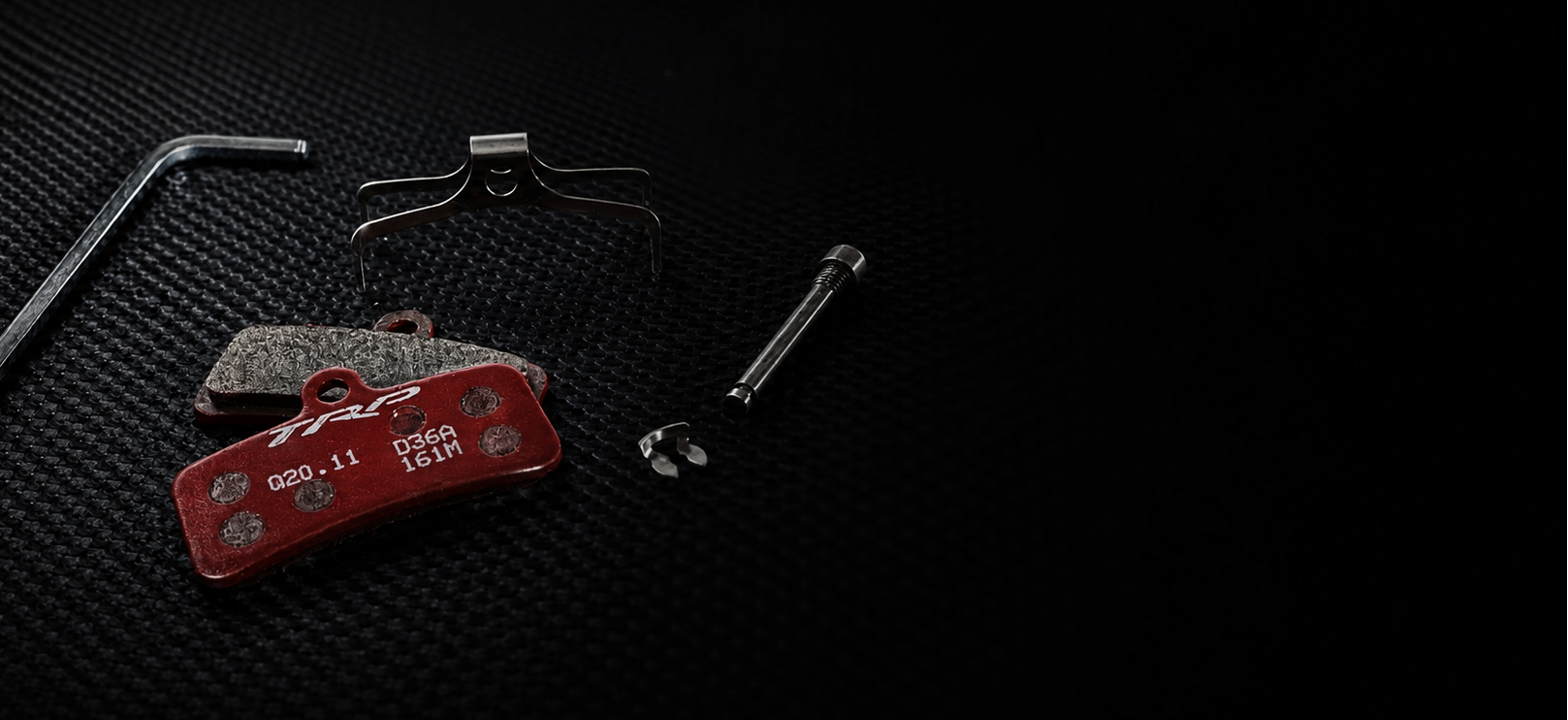
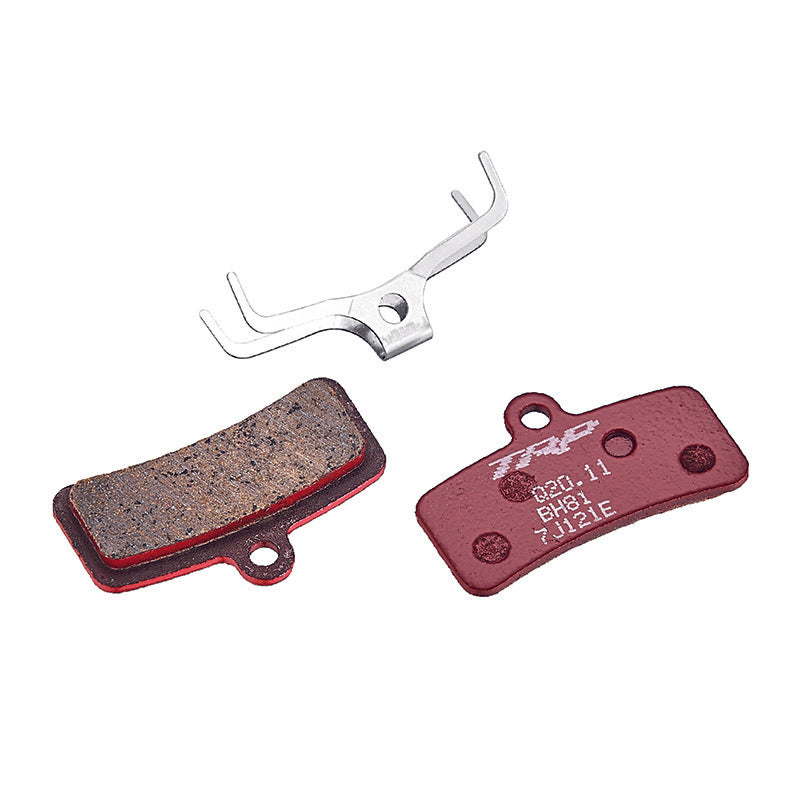
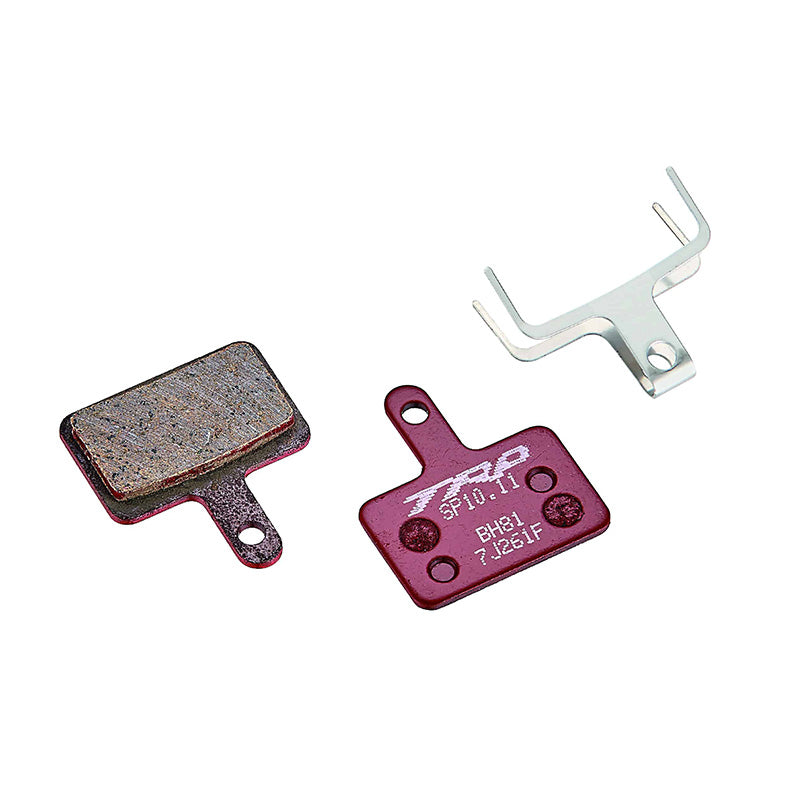
RED — Semi-Metallic

TRP's Semi-Metallic compound sits between Performance Resin and Full Metallic, combining characteristics of both. There's slightly less initial bite than Blue, but what stands out most in our testing is how consistent the brake feels throughout a ride.

We've struggled to find a noticeable fade point with Red. From the top of a descent to the bottom, the bite and lever feel remain predictable, even as heat builds during longer periods of braking. The power delivery is also very linear, building smoothly and predictably as you pull through the lever stroke.

Red is also the quietest compound we've tested, with very little brake noise while still delivering strong braking performance. That combination makes it an excellent all-around choice for trail and enduro riders who prioritize consistency and control over maximum initial bite.

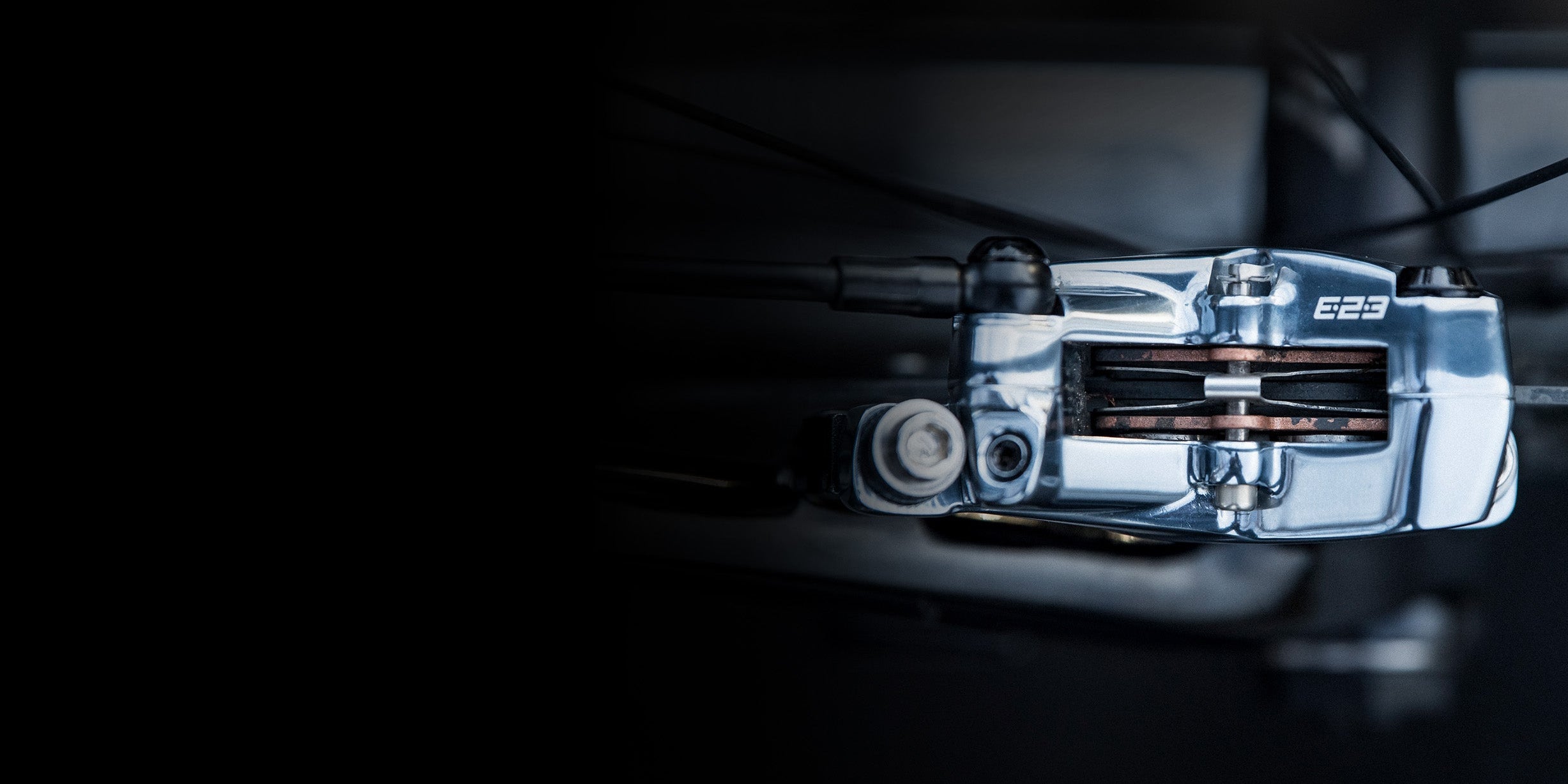
TRP DH-R EVO brake system with 2.3mm rotor compatibility for modern downhill mountain bike applications

Consistent bite. High heat capability. Built for demanding applications.

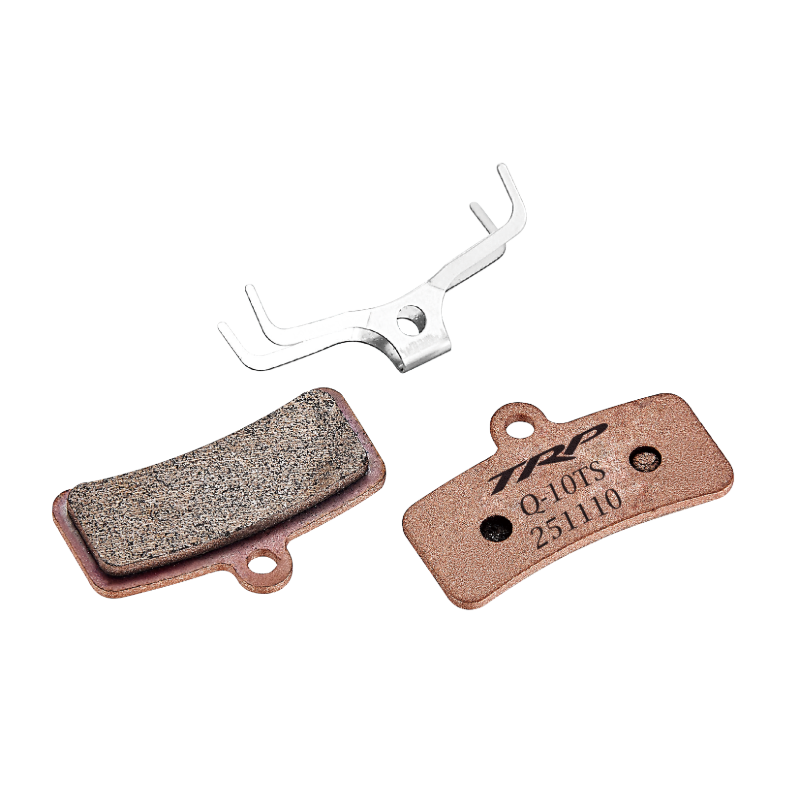
COPPER — Full Sintered Metallic

Copper is the heavy-duty option. TRP's Full Sintered Metallic compound requires more heat to reach its ideal operating range than Blue or Red, but once there, it delivers a firm, consistent bite. In our testing, long descents and sustained braking have very little effect on the overall feel.

The metallic compound is also extremely consistent across wet and dry conditions, though we've found it offers slightly less initial power than Blue. It does require a longer bed-in period, so give the pads time to properly mate with the rotor before expecting their best performance.

For downhill, e-MTB, heavier bikes and riders, or sustained descents where heat is a major factor, Copper provides consistent and predictable braking throughout the ride.

So, Which compound should you choose?

There isn't one "best" TRP brake pad. The best compound is the one that puts your brakes in the right operating range for your riding.

Think about it this way:
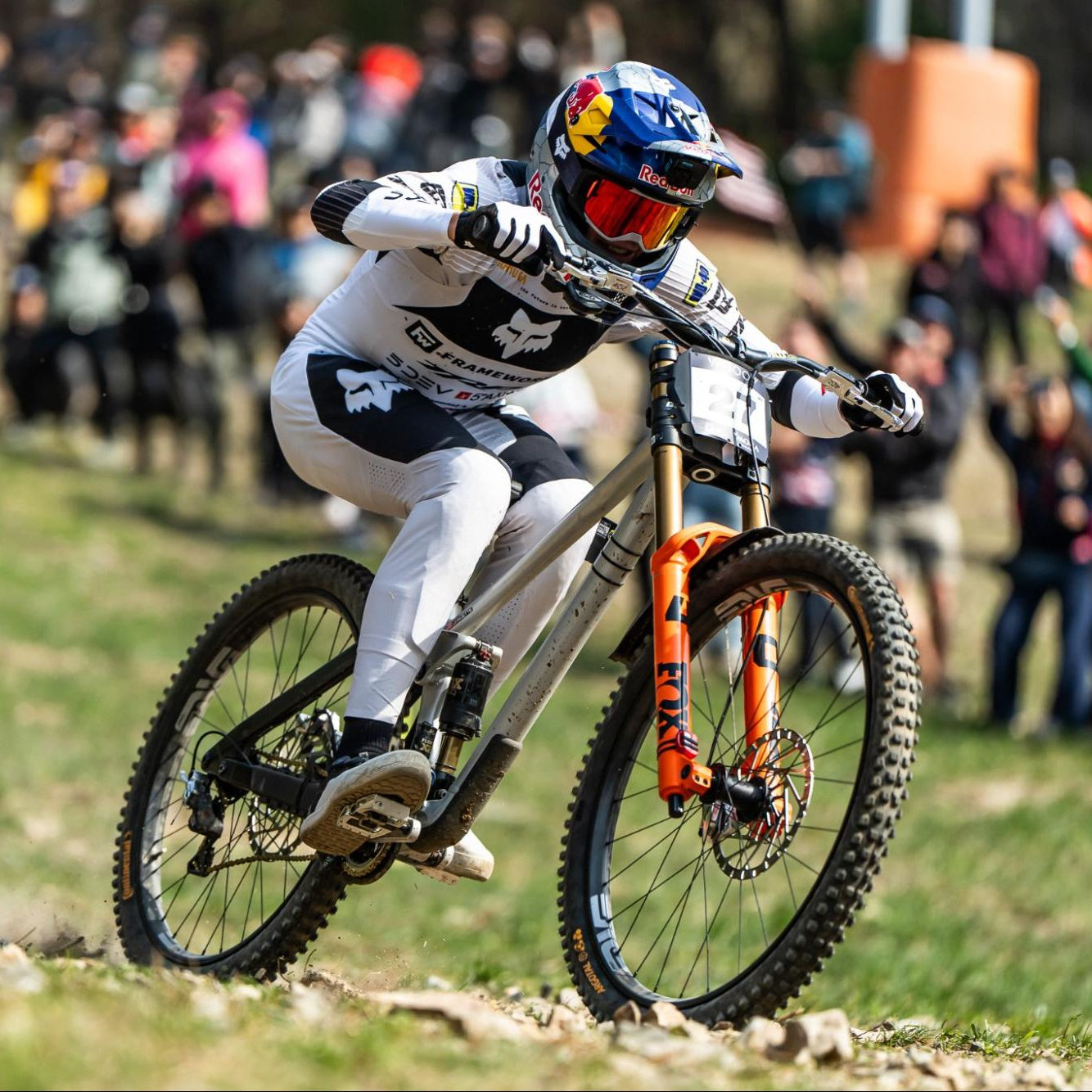
Blue- Bite

You want maximum initial response and hard, late braking.
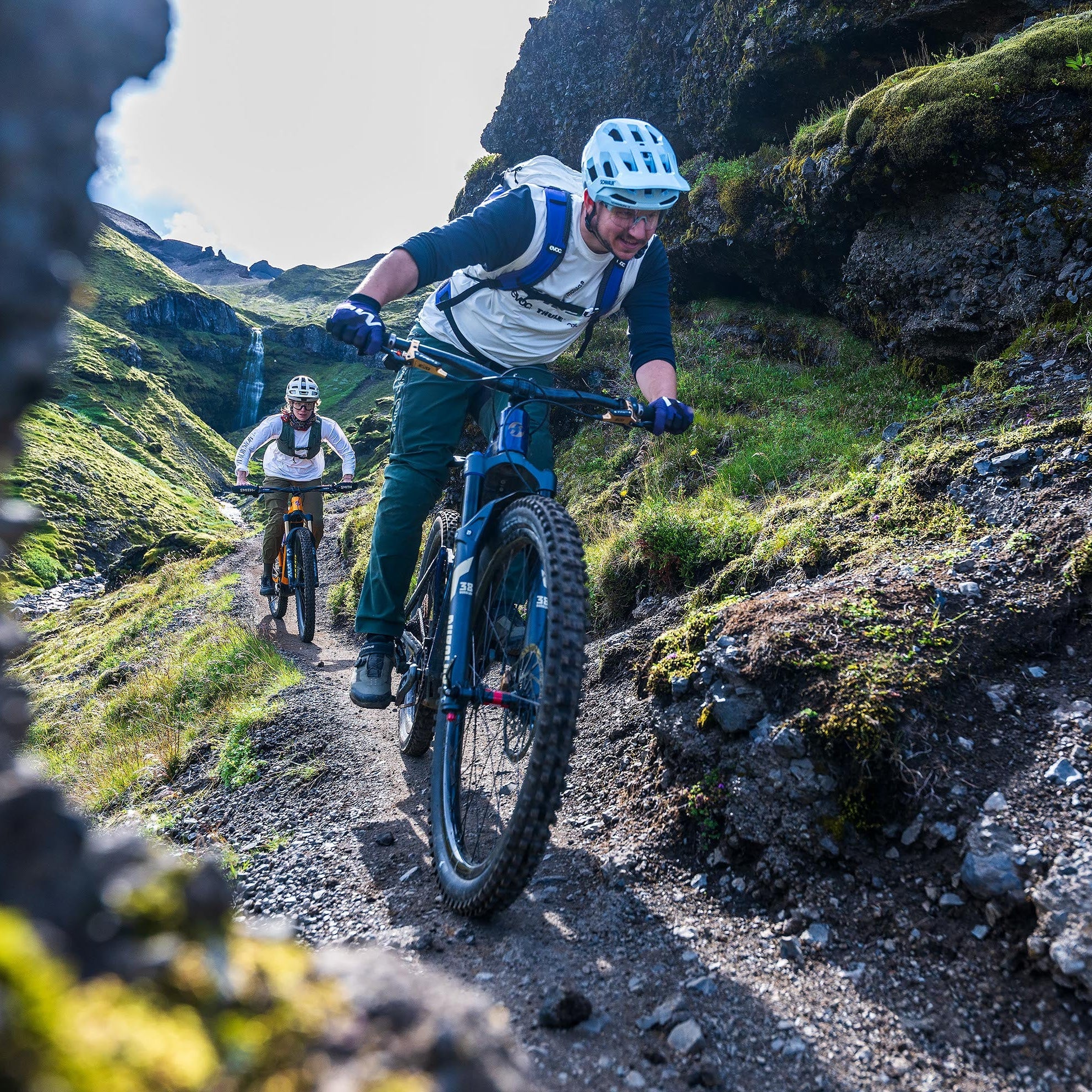
REd- Consistency

You want predictable, quiet performance from the beginning of the descent to the end.
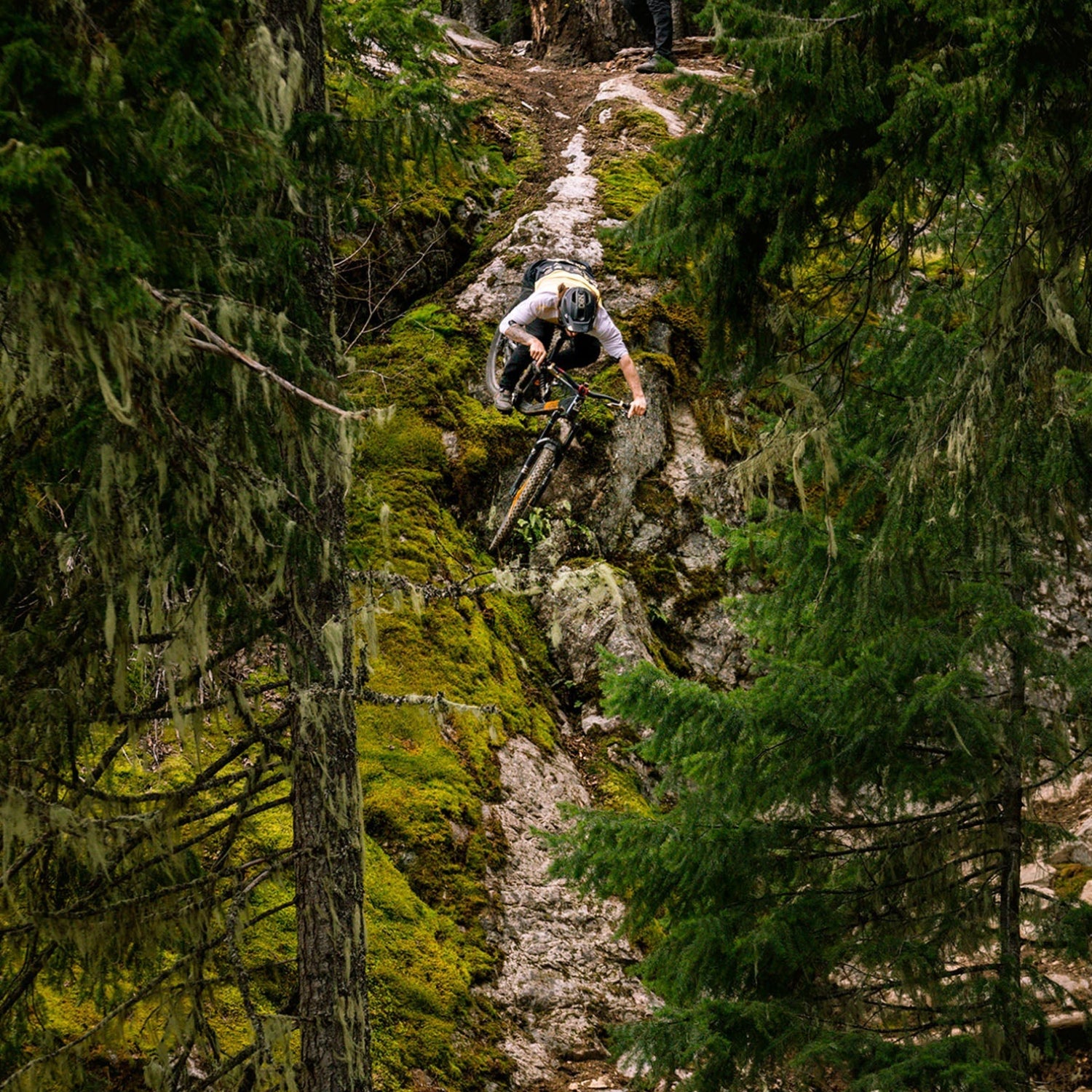
Copper- Heat

You're generating serious heat and want a stable braking feel through demanding conditions.
And your riding style matters just as much as the trail.

Two riders can ride the same descent and generate very different amounts of heat. A rider who brakes hard and releases may have a completely different experience from someone who drags the brakes through sections of trail.

Rider weight, bike weight, rotor size and trail conditions can all influence the equation as well.
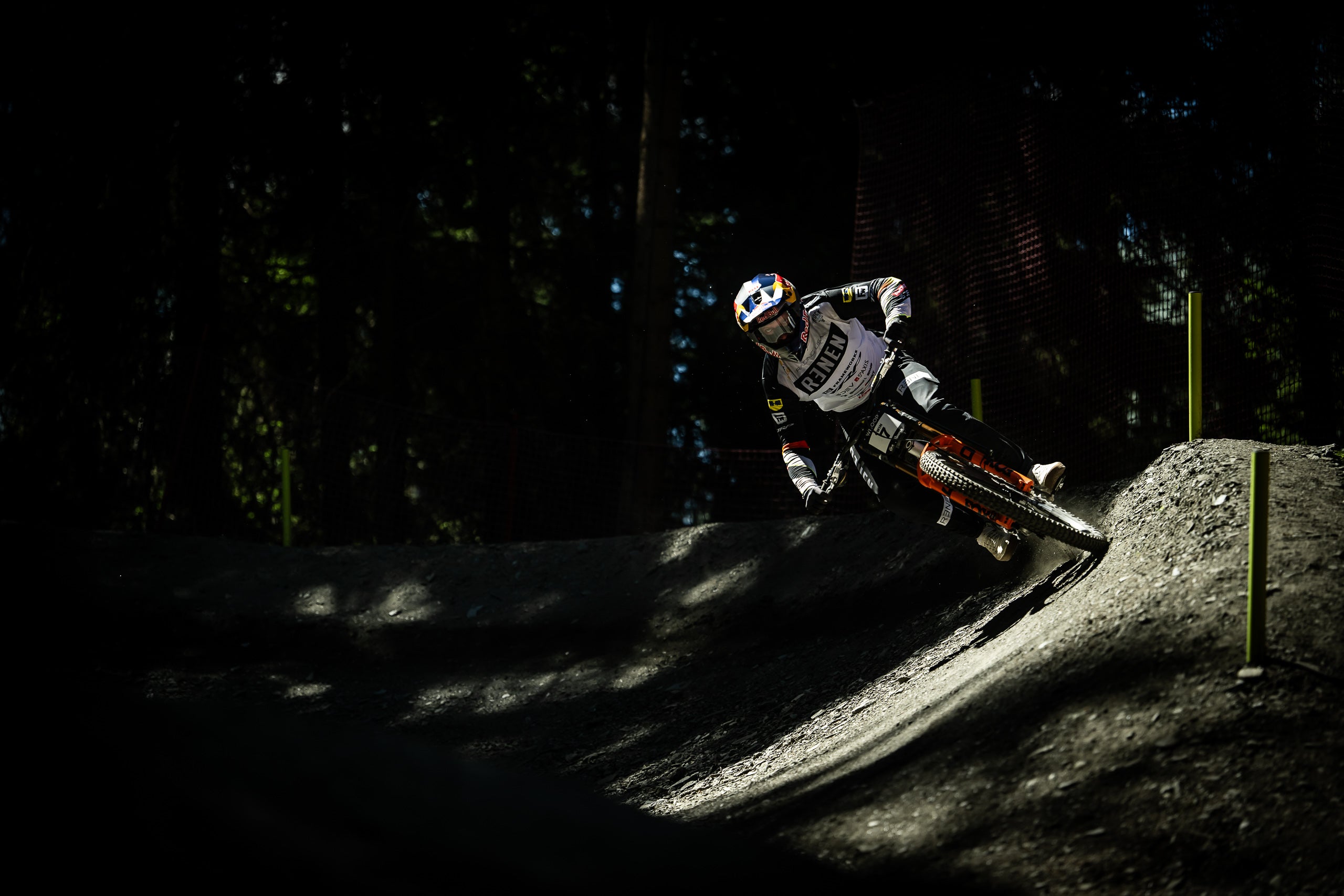
Our Starting point

If you're not sure which compound to choose, Blue Performance Resin is a great baseline. It's responsive, beds quickly and gives you a clear idea of how much heat you're generating. From there, pay attention to what your brakes are telling you.

Love the bite but notice the feel beginning to soften on long descents? Try Red.

Want maximum consistency with virtually no noise? Try Red.

Riding an e-MTB, tackling wet conditions, carrying more weight, or regularly generating serious heat on long descents? Try Copper

Want maximum initial bite for shorter race runs? Stay Blue.

You can also tune the front and rear independently. Riders who generate substantially more heat with the rear brake may prefer different compounds front and rear.

Brake Pads Are a Tuning Tool

We spend a lot of time tuning suspension, changing tire pressures and adjusting cockpit position. Brake pads deserve the same consideration. Changing compounds can noticeably alter how a brake behaves without changing the brake itself.

Three compounds. Three distinct characteristics.

Choose the one that fits how you ride